


FAQ: Everything Travellers Ask About Croatia and Istria
Planning a trip to Croatia often raises many questions, especially for first-time visitors. To help you travel with confidence, we have compiled the most frequently asked questions about Croatia and Istria, based on global search trends, guest inquiries, and real travel behavior.
This guide provides clear and reliable answers to ensure a smooth and enjoyable holiday.
1. General Questions About Croatia

Is Croatia an expensive destination?
Croatia offers excellent value for money compared to many Mediterranean destinations. Prices vary by region and season: coastal cities like Dubrovnik and Split tend to be more expensive, while Istria offers a balanced ratio of price and quality. Travellers can reduce costs by visiting in late spring or early autumn, when accommodation and dining are more affordable.
What is the best time to visit Croatia?
The ideal time to visit is May–June and September–October, when the weather is pleasant, the sea is warm, and crowds are smaller. July and August are peak season, known for vibrant events and hot weather but also for higher prices.
Is Croatia safe for tourists?
Yes. Croatia is consistently ranked among the safest countries in Europe. Violent crime is extremely rare, and tourist destinations are well-policed. Standard travel precautions are recommended, especially in busy summer locations.
Do I need a visa to travel to Croatia?
Travellers from the EU, UK, USA, Canada, Australia, and most European countries do not require a visa for short stays. Visitors from outside these regions should check current Schengen regulations, as Croatia is part of the Schengen Area.
Is tap water safe to drink in Croatia?
Yes. Tap water is safe, clean, and drinkable across the country.
What languages are spoken in Croatia?
Croatian is the official language. English, German, and Italian are widely spoken, especially in tourist areas such as Istria.
2. Questions About Destinations in Croatia & Istria

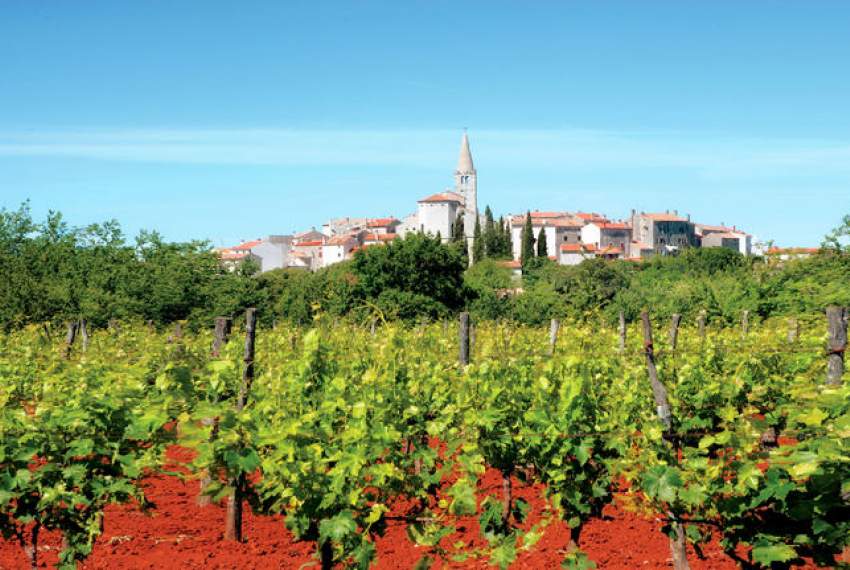
Both regions offer beautiful coastlines but differ in style. Istria is known for its green landscapes, charming hilltop towns, excellent gastronomy, and family-friendly beaches. Dalmatia offers historic cities and a more rugged coastline. Travellers looking for calm beaches, wine routes, and cultural heritage often prefer Istria.
What are the best beaches in Croatia?
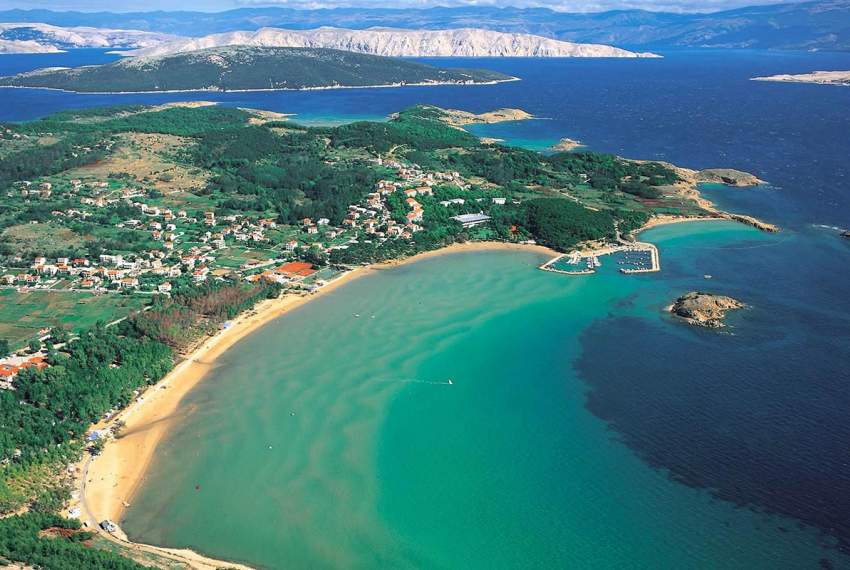
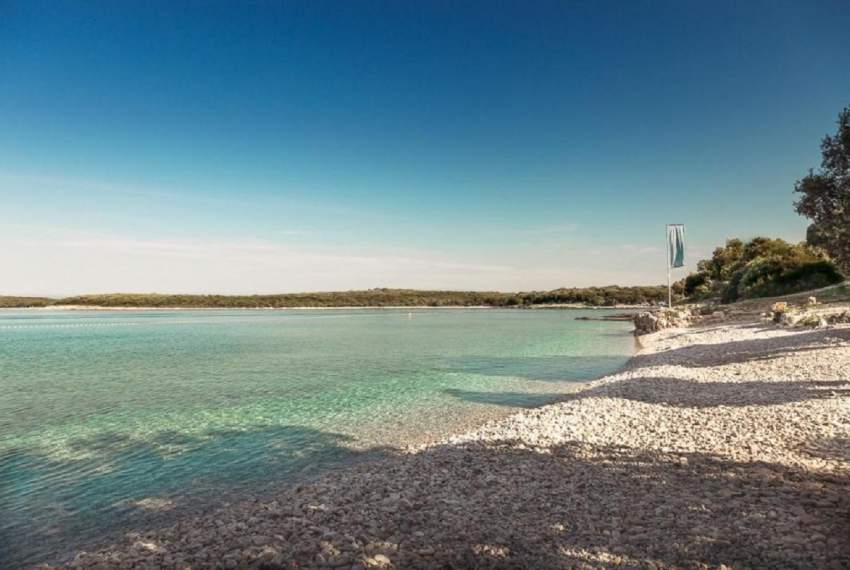
Croatia is famous for its clear waters and pebble beaches. Popular options include:
-
Istria: Poreč, Rovinj, Rabac, Cape Kamenjak
-
Dalmatia: Zlatni Rat (Brač), Stiniva (Vis), Sakarun (Dugi Otok)
Most beaches offer facilities, sunbeds, and safe swimming areas.
What are the top things to do in Poreč, Rovinj, or Pula?
-
Poreč: Euphrasian Basilica, Brulo & Pical beaches, water sports, boat trips
-
Rovinj: Old town, Lone Bay, biking routes, arts and cultural events
-
Pula: Roman Amphitheatre, Augustus Temple, Cape Kamenjak
All three cities provide excellent dining, outdoor activities, and day excursions.
Is Istria suitable for families?
Yes. Istria is one of the most family-friendly regions in Croatia. It offers safe beaches, clear shallow waters, theme parks, cycling paths, and numerous outdoor activities.
Which Croatian islands should I visit?
Popular islands include Hvar, Brač, Krk, Pag, Korčula, and Vis. Travellers staying in Istria often choose nearby islands like Cres and Lošinj for day trips.
3. Food, Culture & Local Experiences

What food is Croatia known for?
Croatia has rich culinary traditions influenced by both Mediterranean and Central European cuisine. Key dishes include fresh seafood, Istrian truffles, homemade pasta (fuži, pljukanci), olive oil, grilled meats, pašticada, and world-class wines such as Malvazija and Teran.
Are restaurants and shops open on Sundays?
Most restaurants and shops operate normally during the tourist season. Larger supermarkets have adjusted working hours on Sundays, depending on national regulations.
Do I need to tip in Croatia?
Tipping is not mandatory but is appreciated. A 10% tip is common in restaurants with table service.
4. Travelling to Croatia by Car

Do I need a vignette in Croatia?
No. Croatia uses a toll system at highway entrances and exits. Payment can be made in cash or by card.
How much are the highway tolls?
Toll prices depend on vehicle category and distance. Travellers entering from Slovenia or Austria usually pay between €7–€20 depending on the route.
Are there enough electric vehicle charging stations?
Yes. Charging stations are available along major highways, in city centres, and in tourist destinations like Poreč, Rovinj, and Pula. Networks such as ELEN, Ionity, and Tesla operate throughout Croatia.
What documents do I need to drive in Croatia?
A valid driving licence, ID/passport, vehicle registration, and insurance (green card for non-EU vehicles).
5. Pet-Friendly Travel

Is Croatia dog-friendly?
Croatia is very welcoming to pets. Many beaches offer designated dog-friendly zones, and numerous accommodation providers accept pets, especially in Istria.
What documents do I need to bring my dog to Croatia?
Pets entering Croatia must have an EU pet passport, a microchip, and a valid rabies vaccination.
6. Accommodation – FAQs Most Often Asked by Guests
Is it better to book with a local agency or a big international platform?
Booking with a local agency such as EURO TOURS offers several advantages:
-
Verified properties and direct communication with local experts
-
Transparent pricing without hidden fees
-
Personal assistance before and during your stay
-
Reliable recommendations based on local knowledge
International platforms provide volume, but local agencies ensure quality and support.
Do holiday homes in Croatia have air conditioning?
Most modern villas and apartments offer air conditioning in main living spaces and bedrooms. Guests should always check property descriptions for precise details.
Do villas in Istria have private pools?
Many holiday homes in Istria offer private pools, including heated options for spring and autumn travel. Pool maintenance and cleanliness are held to high standards.
What is the standard check-in and check-out time?
Check-in is typically between 16:00–18:00, while check-out is usually by 10:00. These times allow for proper cleaning and preparation.
How far are holiday homes from the beach?
Distances vary by location. Properties on the western Istrian coast are often 300–1500 metres from the sea, while inland villas offer more privacy and space but require a short drive to the beach.
Is parking available at holiday homes?
Most villas and apartments offer free private parking, often within the property grounds.

7. Practical Travel Information
What currency is used in Croatia?
Croatia uses the Euro (€).
Can I pay by card everywhere?
Card payments are widely accepted, although small markets or beach kiosks may prefer cash.
What is the emergency number in Croatia?
The national emergency number is 112, available 24/7 in multiple languages.
Are hospitals and pharmacies easily accessible?
Yes. All major cities and tourist towns, including Poreč, Rovinj, and Pula, have well-equipped medical facilities and numerous pharmacies.
Sources: